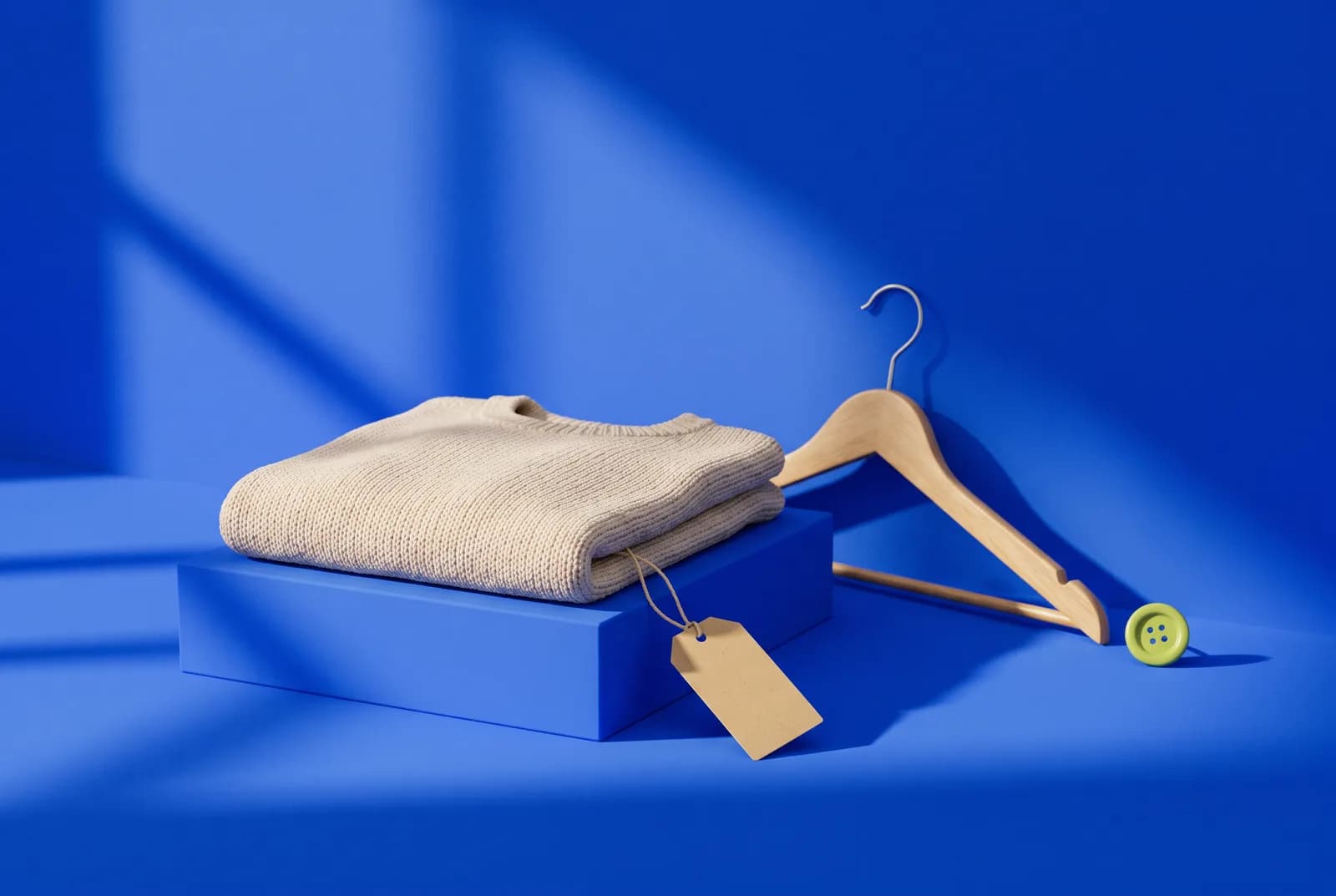
Does anyone actually scan a fashion QR code on a hang tag? They do when the tag promises something worth a few seconds: the story behind the fabric, how to wash it, how to wear it. The brands that get scans treat the tag as a doorway to a story, not a link to the homepage.
This guide covers what works, what does not, and which code types fit each job.
Why put a fashion QR code on the tag at all?
A hang tag has room for a logo, a price sticker and maybe a line of copy. A shopper in a fitting room has questions that do not fit: Is this wool from a farm I would approve of? Will it shrink? What do I wear it with?
A QR code turns a small card into a full page. It also stays useful after the sale, when the tag is in a drawer and the garment needs washing, or when a friend asks where the jacket came from.
There is a regulatory reason too. Product information for clothing is moving online in several markets, including the European Union's plans for digital product passports. The details are still being settled, so check the current rules for your market, but the direction is clear: more product facts behind a scan.
What a hang tag code should open
Pick one primary job per tag, then add a few secondary links on the same page. These are the uses that earn scans:
- The material and maker story. Where the fiber came from, who made the garment, and why it costs what it costs. Photos and a short video do more than a paragraph.
- Care guide. Washing, drying, storing and repair, in plain language. This is the page people come back to months later.
- Lookbook and styling. Three ways to wear the piece, linked to the other items in the shots.
- Size and fit. A clear size chart and a note on how the cut runs.
- Restock alerts and waitlists. For limited drops, a short form that collects an email when a size sells out.
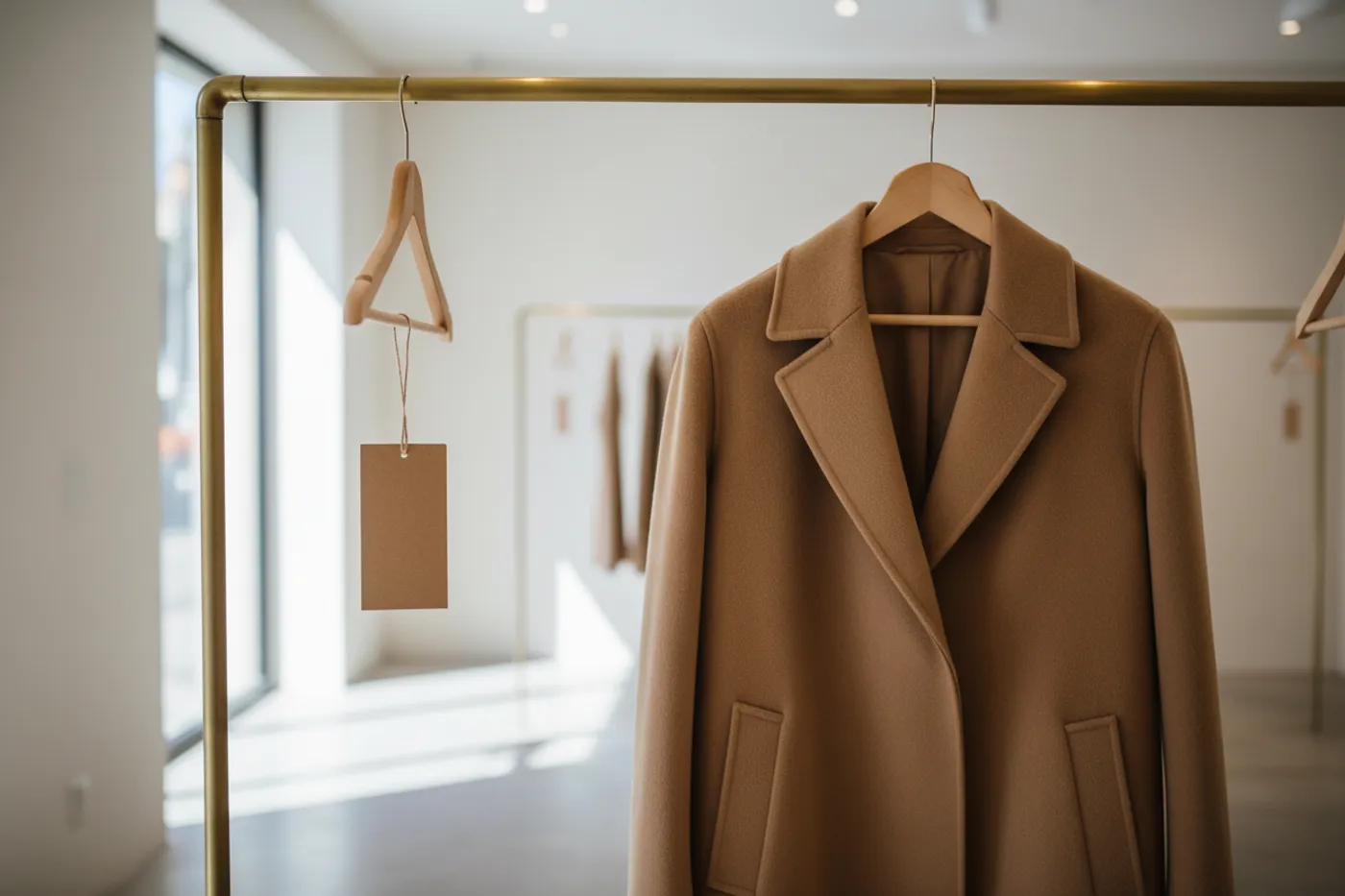
On AriaQR, a landing page can hold all of this: a hero image, a gallery for the lookbook, a video block, a list for the size chart and an FAQ for care. A form block can collect restock sign-ups, with leads arriving in your inbox (form blocks are part of the Business plan).
What does not work on clothing tags
Most ignored tag codes fail in one of four ways:
- They open the homepage. A shopper holding a specific coat does not want the front page of your store.
- They open a PDF. Care guides as PDFs are hard to read on a phone and impossible to update.
- They are too small or too faint. A tiny grey code on a textured kraft tag is hard to read. Test at the real printed size, on the real stock.
- They look like an afterthought. A generic black square undercuts a tag your designer spent weeks on.
That last point is where a picture code helps. The code can be built from the brand's own mark or a product shot, so it reads as part of the design.
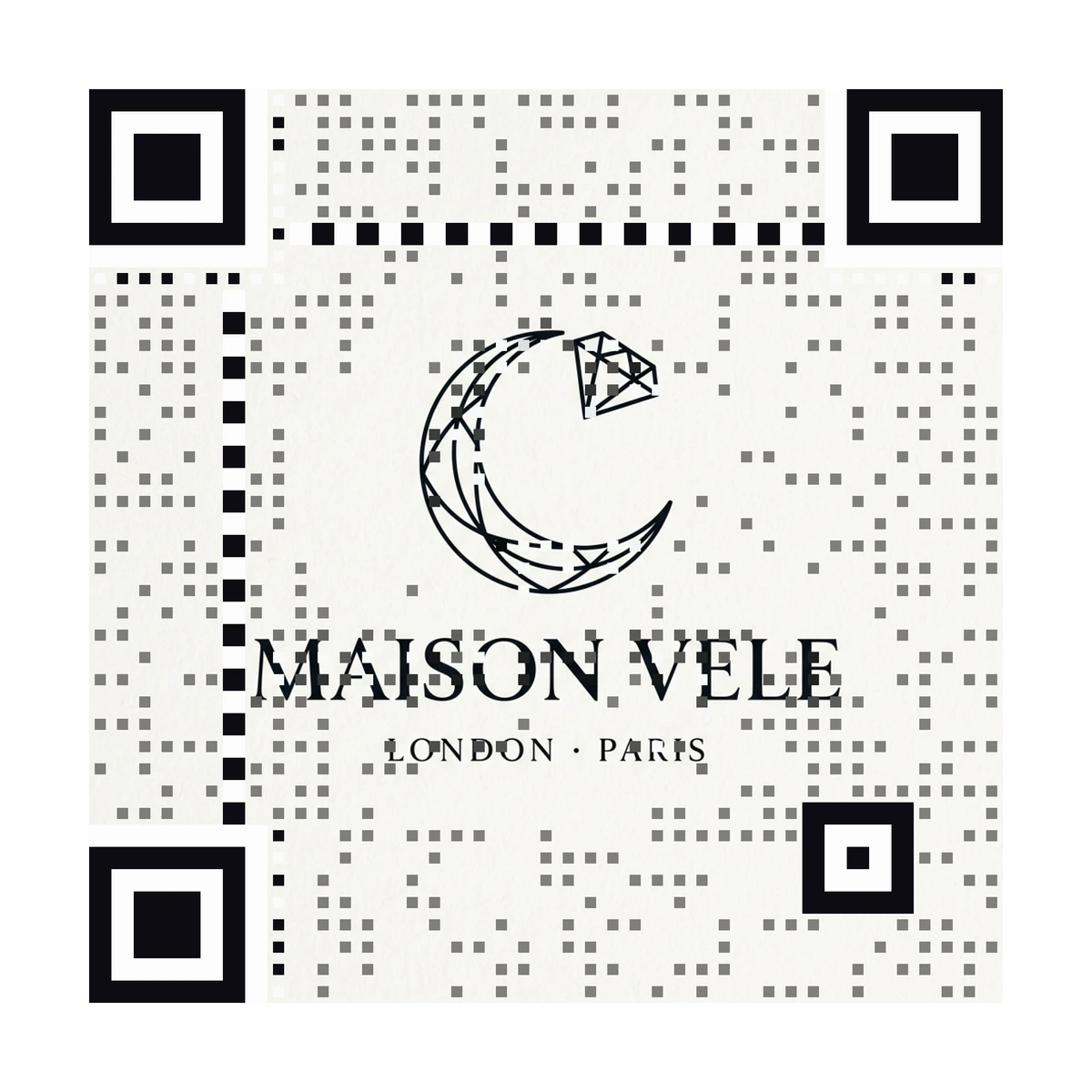
Every AriaQR code is verified on real decoders under real-world conditions before download, so the designer and the production team both see a clear verdict before the tags are printed. If you want to explore styles first, the artistic QR code generator shows how far the look can go.
Which code types fit a fashion brand
AriaQR has more than 60 code types. For apparel, these are the useful ones:
| Job | Code type |
|---|---|
| Product story, care, lookbook | Website link or a landing page |
| Shop the look | Online store, Etsy or Amazon link |
| Styling video | Video or Vimeo |
| Brand community | Social profile |
| Retail checkout and phones in one code | Product barcode (GS1) |
| Store events and fittings | Booking or calendar event |
The product barcode code deserves a note. It is built on the GS1 Digital Link standard: the product number (GTIN) sits in the code for checkout scanners that read 2D barcodes, and phones go wherever you choose. You can include a batch or lot, which helps when one production run needs a different page from another. Keep the regular UPC or EAN on the tag too, because not every till reads 2D codes yet.
Our guide to branded QR codes for packaging covers the same ideas for boxes and bags.
Small codes, washing and print
Hang tags are small, and inner labels are smaller. AriaQR's small print build is verified down to about 1.5 cm, which fits most tags and printed labels. Our post on small print QR codes explains when to use it.
For anything sewn in, test the label through a few wash cycles before committing to a full run. Print quality on fabric varies by supplier, and that is outside any code generator's control.
Because the codes are dynamic, the destination can change after printing. A coat from this season can point to its care page today and to a repair or resale page next year, from the same tag.
Reading the scans
Each scan is counted, with the time, device and approximate location when the network allows. A few ways fashion teams use that:
- Placements per channel. Give the hang tag, the shopping bag and the store window their own codes in one campaign, and compare them side by side.
- Hour-of-day heatmap. See whether people scan in the fitting room or at home later.
- Cities. Spot where a wholesale partner's stock is being scanned.
Where to start
Choose one bestselling piece and build its page first: story, care, three styling shots, size chart. Make a picture code from your logo or the product photo, print a short run of tags and test them on real phones in the store. Once the page earns scans, roll the same template across the collection.