A history in eight chapters · 1994 to today
The history of the QR code.
It started with a game of Go and a factory full of car parts. Thirty-odd years later it is on restaurant tables, train tickets and Super Bowl screens. This is how a two-person team’s answer to too many barcodes became the square the whole world scans.
Start in 199401 · Japan · the factory floor
1994: A code for car parts
In the early 1990s, Japanese car factories were drowning in barcodes. A barcode held only 20 or so characters, so a single box of parts could carry as many as ten of them, each scanned one by one.
In 1992 a two-person team at Denso, led by Masahiro Hara and working in the barcode business that is now Denso Wave, set out to build something better. The idea came over a lunchtime game of Go: black and white stones on a grid could carry far more information than a row of lines.
After a year and a half of work, Denso Wave announced the QR code in 1994. It could hold roughly 7,000 digits and be read more than ten times faster than other codes, from any angle. The name says what it was built for: QR stands for Quick Response.
“Having to read so many barcodes in a day was very inefficient…”
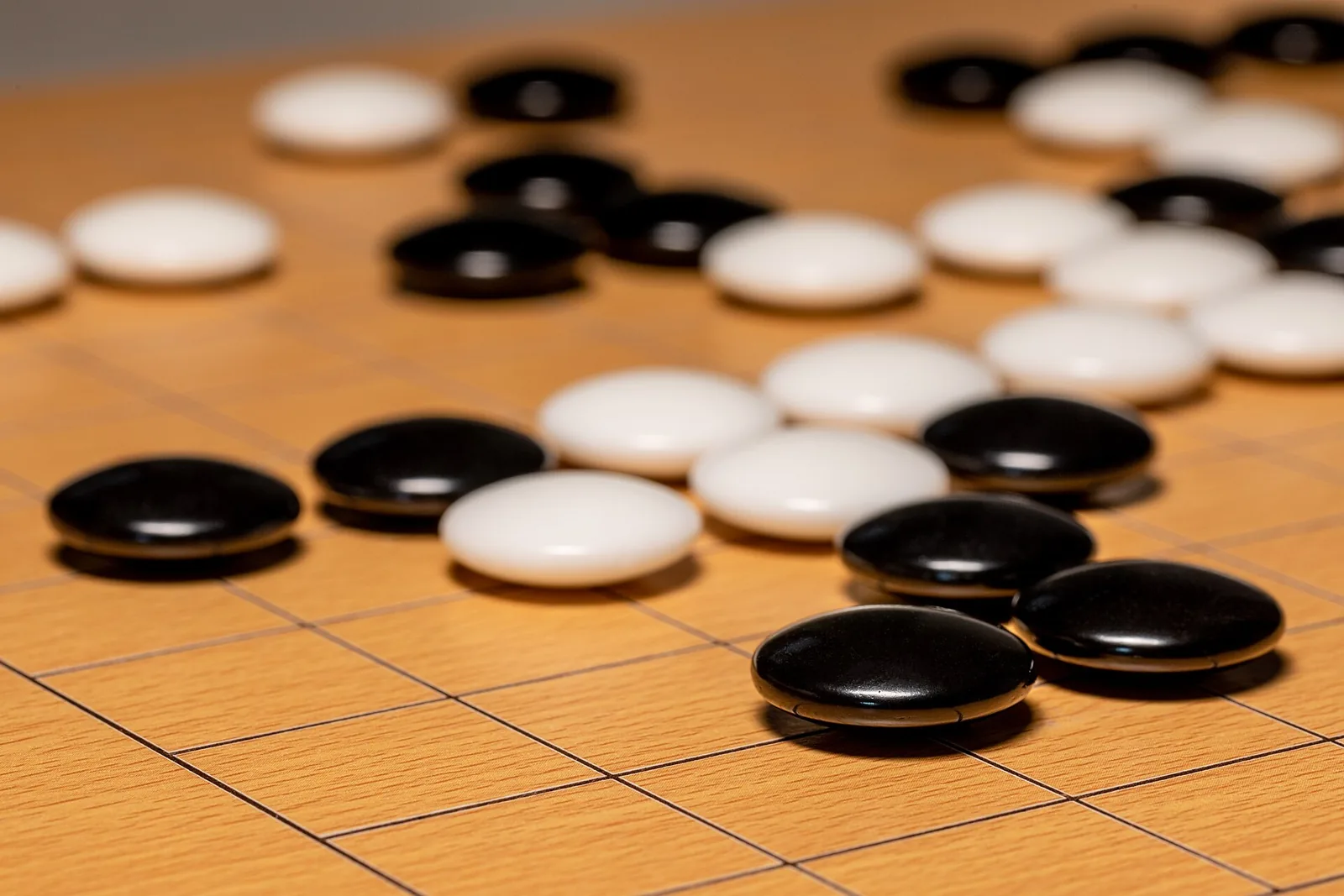
What changed One square could replace a whole strip of barcodes, and a scanner could read it from any angle.
02 · Standards · an open patent
1997–2000: Given away on purpose
Denso Wave holds patents on the QR code, but it made a decision that shaped everything after: it would not exercise them. Anyone could make or read a standard QR code without asking permission or paying a licence fee.
Then the code was written down so everyone would build it the same way. It became an AIM International standard in 1997, the Japanese Industrial Standard JIS X 0510 in 1999, and the international standard ISO/IEC 18004 in 2000. The same standard is still maintained today; its fourth edition came out in 2024.
In 2000, the year of the ISO standard, the code started to leave the factory. One of its first everyday jobs in Japan was on betting slips at horse races, where it identified winning bets in a moment.
“Everyone can use the QR Code freely as long as following the standards…”
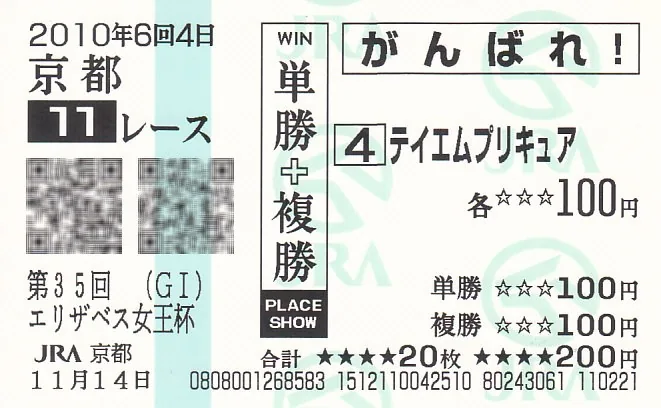
Written down, three times
What changed A free, published standard meant any company could print, read or build on the code.
03 · Japan · the camera phone
2002–2010: The code moves into your pocket
In August 2002, Sharp’s J-SH09 for the carrier J-Phone went on sale: the first mobile phone that could read QR codes. Point the camera at a code and the phone opened a website or saved a coupon.
Japan took to it fast. Through the 2000s codes appeared in magazines, on posters, on product packaging and on tickets, and by the end of the decade they ran across the side of buildings in Tokyo.
Outside Asia, almost nobody noticed. Phones there had no reader built in, and the code stayed a curiosity that travellers photographed in Shibuya.
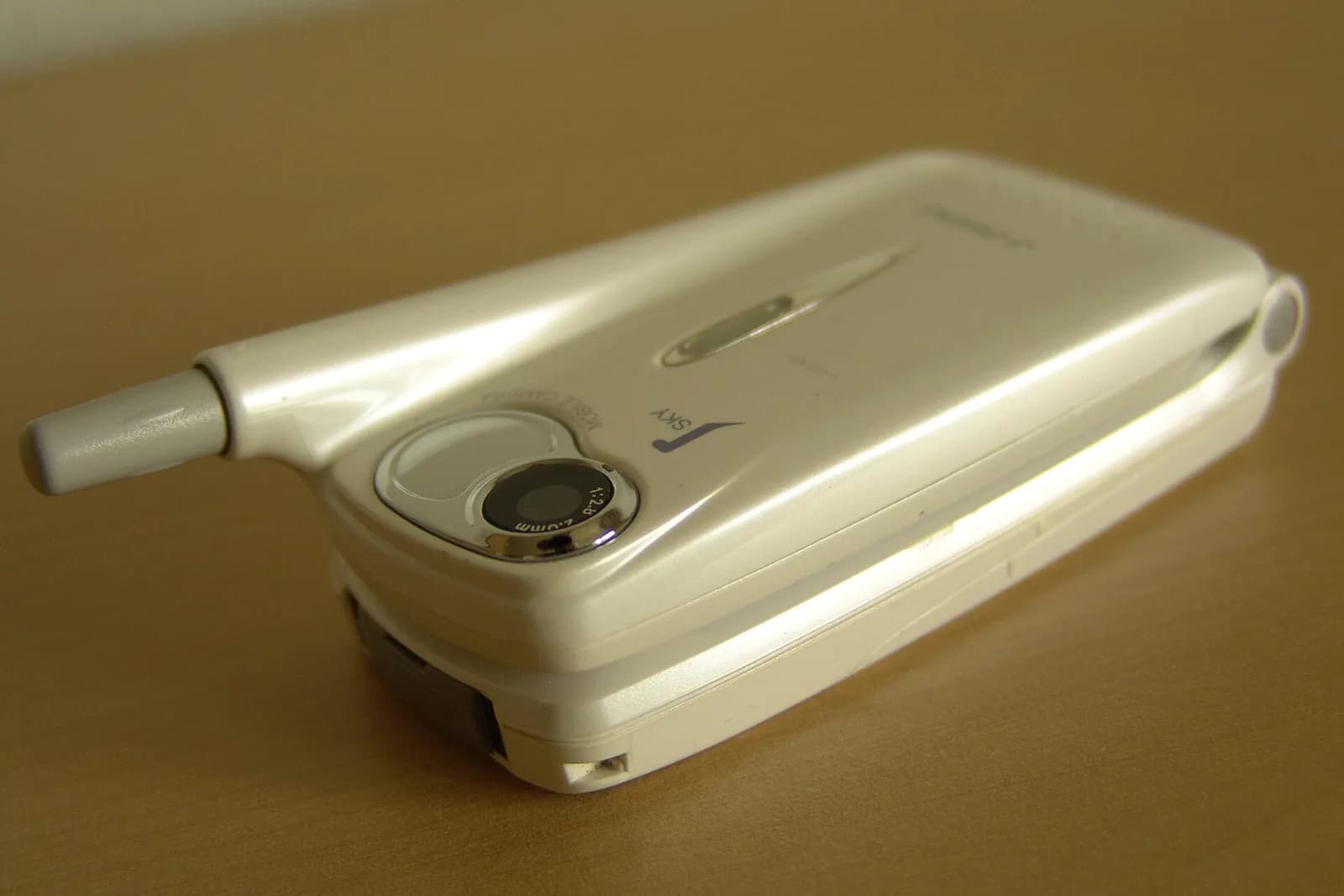
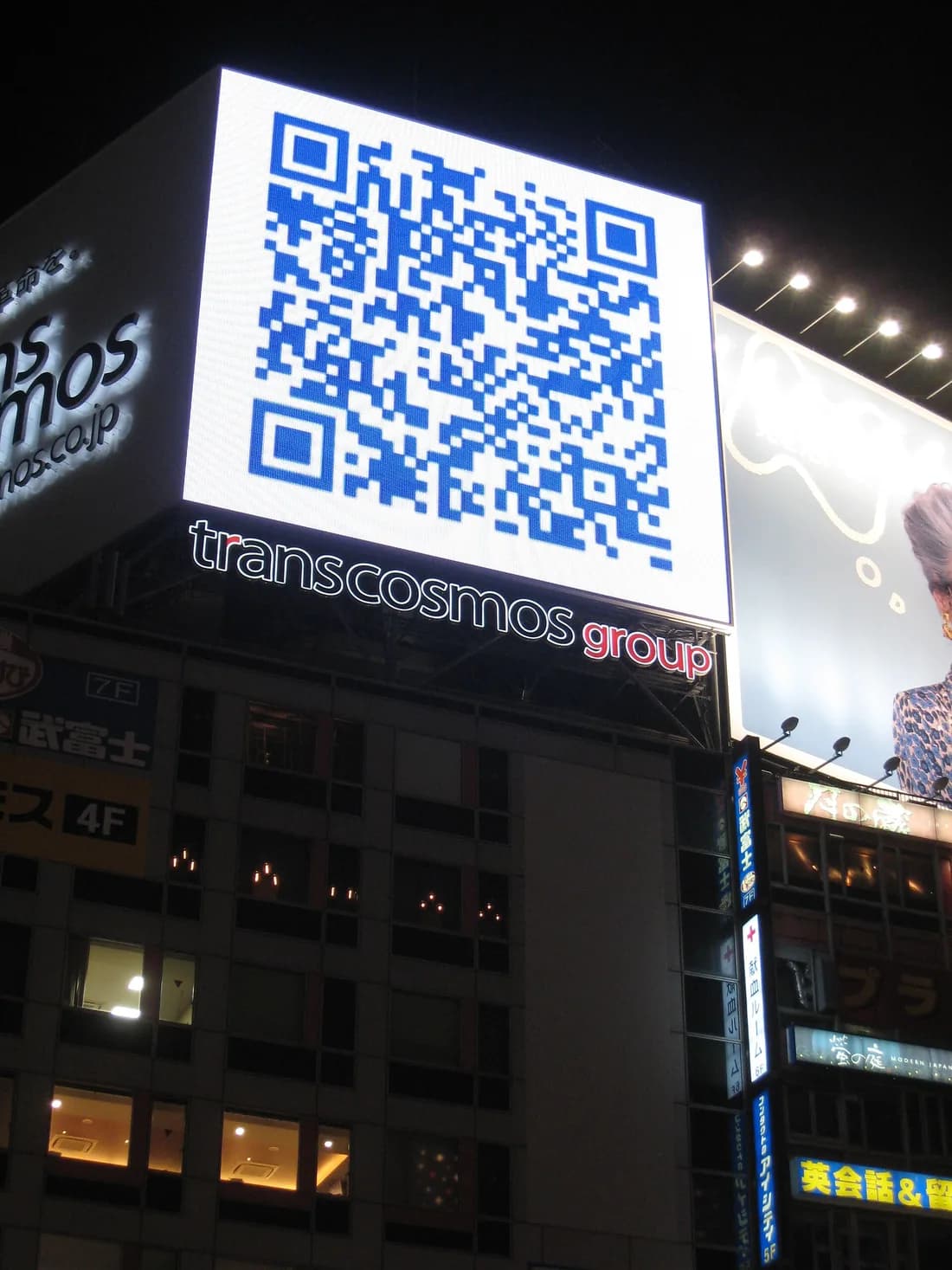
What changed The reader moved from the factory scanner to the phone, at least in Japan.
04 · Europe and America · the app years
2011–2017: A square that needed an app
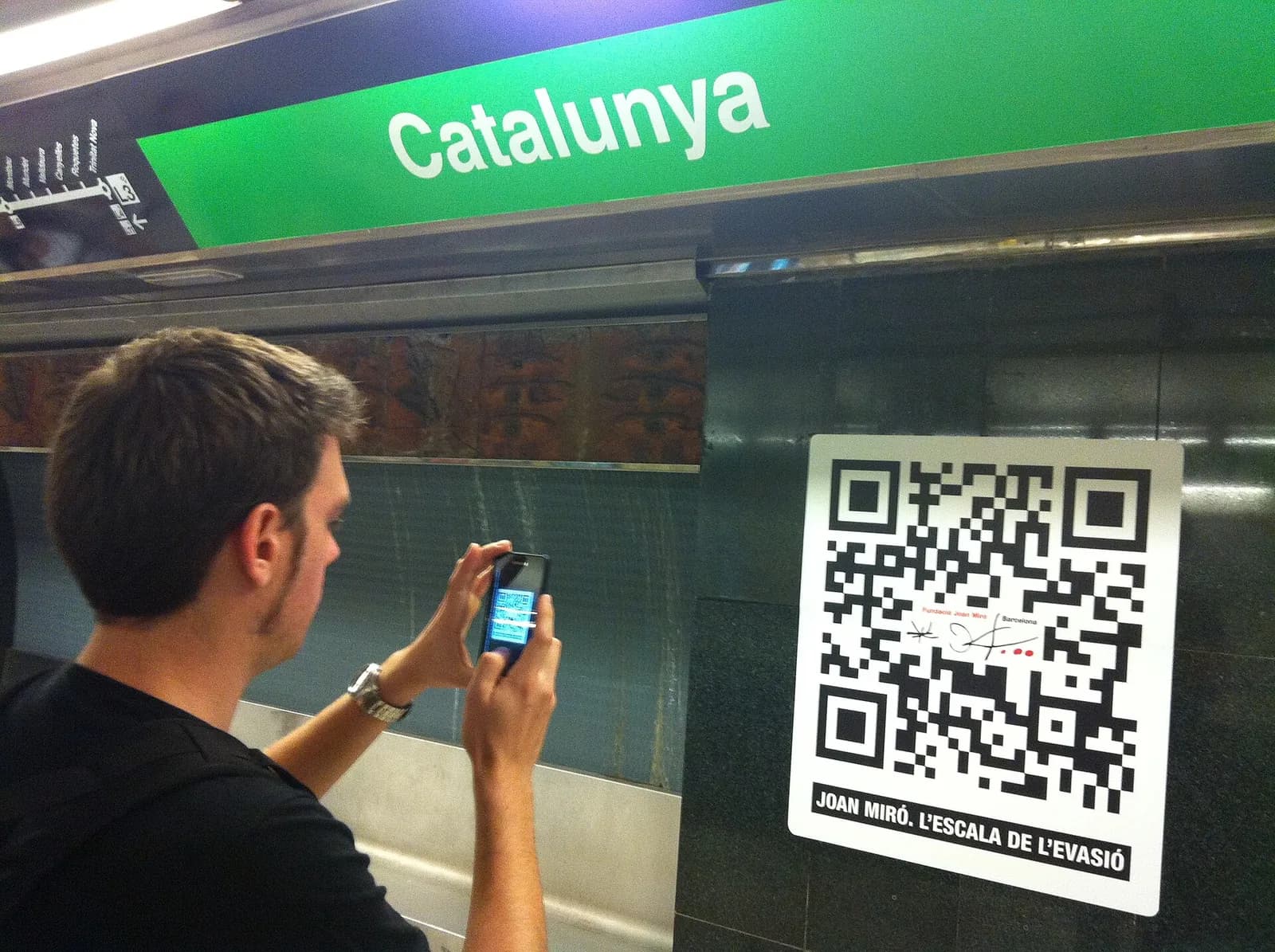
By the early 2010s QR codes were turning up on posters, bus shelters and magazine ads in Europe and America. But reading one meant finding, installing and opening a separate scanner app first.
That extra step kept scanning a niche habit outside Asia for years, even as the codes themselves became a familiar sight.
Meanwhile · 2012–2017
The first picture codes
In 2012 a start-up in Herzliya, Israel, called Visualead began offering “visual QR codes”: a logo, photo or picture inside the code instead of a plain grid. For many people it was the first sign that a QR code didn’t have to be an ugly square.
Alibaba invested in Visualead in 2015, and at the end of 2017 bought its technology and team to start a research centre in Tel Aviv. TechCrunch reported that the deal was likely to close Visualead and its product, and picture codes went quiet again.
Herzliya, Israel
Visual
QR codes
- 2012
- Founded
- 2015
- Alibaba invests
- 2017
- Alibaba buys the tech and team
What changed Codes were everywhere; readers built into phones were not, yet.
05 · iPhone · Android
2017: The camera learns to read
In September 2017 Apple shipped iOS 11, and the iPhone’s own Camera app began recognising QR codes automatically. No app to find, no app to install: point the camera, tap the banner that drops down.
Android followed. In May 2018 Google announced that Google Lens would be built into the camera app on phones from many makers, and scanning a code became something every new smartphone simply did.
- Sept 2017
- iOS 11: the iPhone Camera app reads QR codes
- May 2018
- Google Lens comes built into Android camera apps
What changed The app barrier disappeared. Any phone camera became a QR reader.
06 · The pandemic
2020: Everyone learns what one is
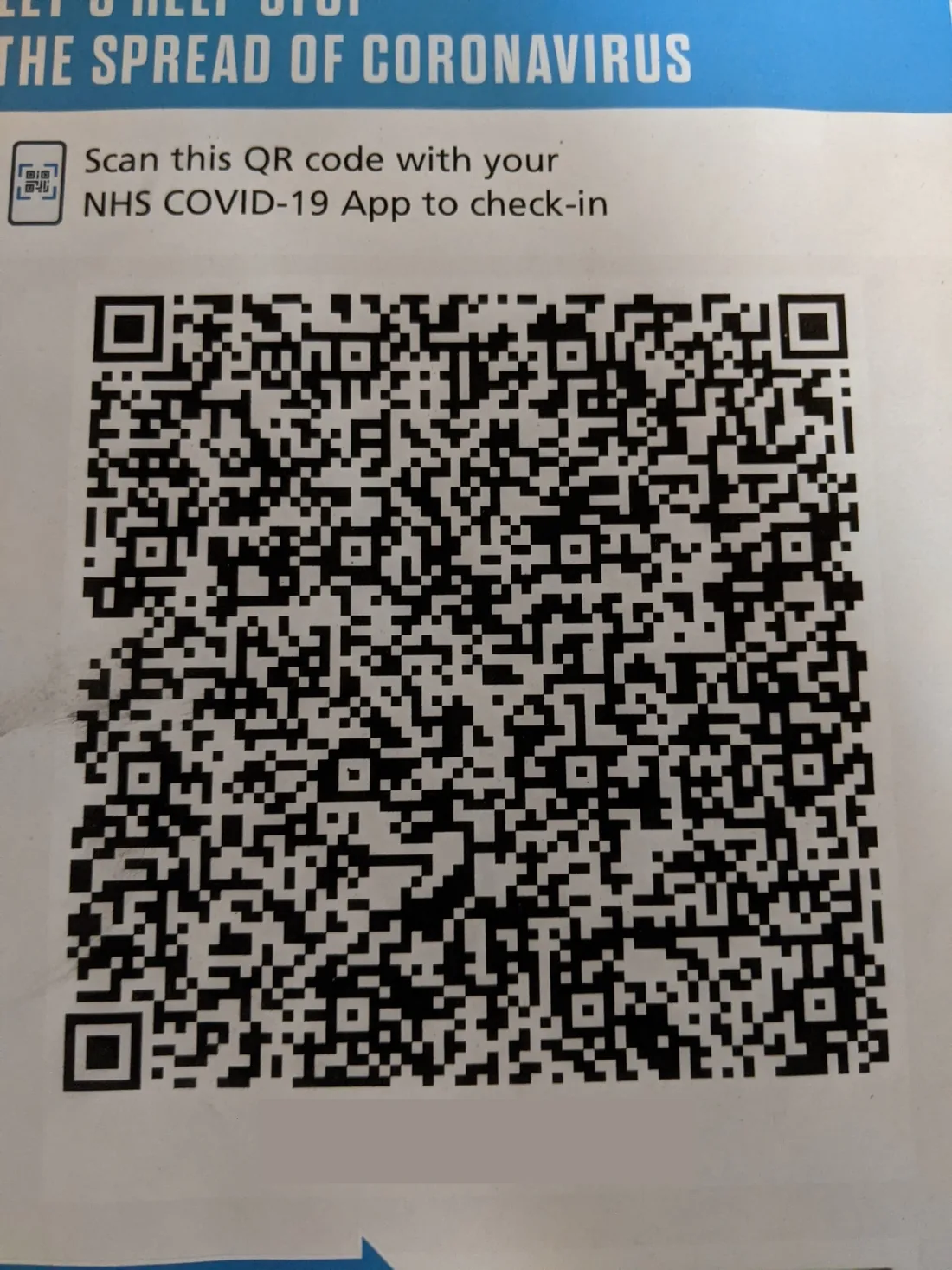
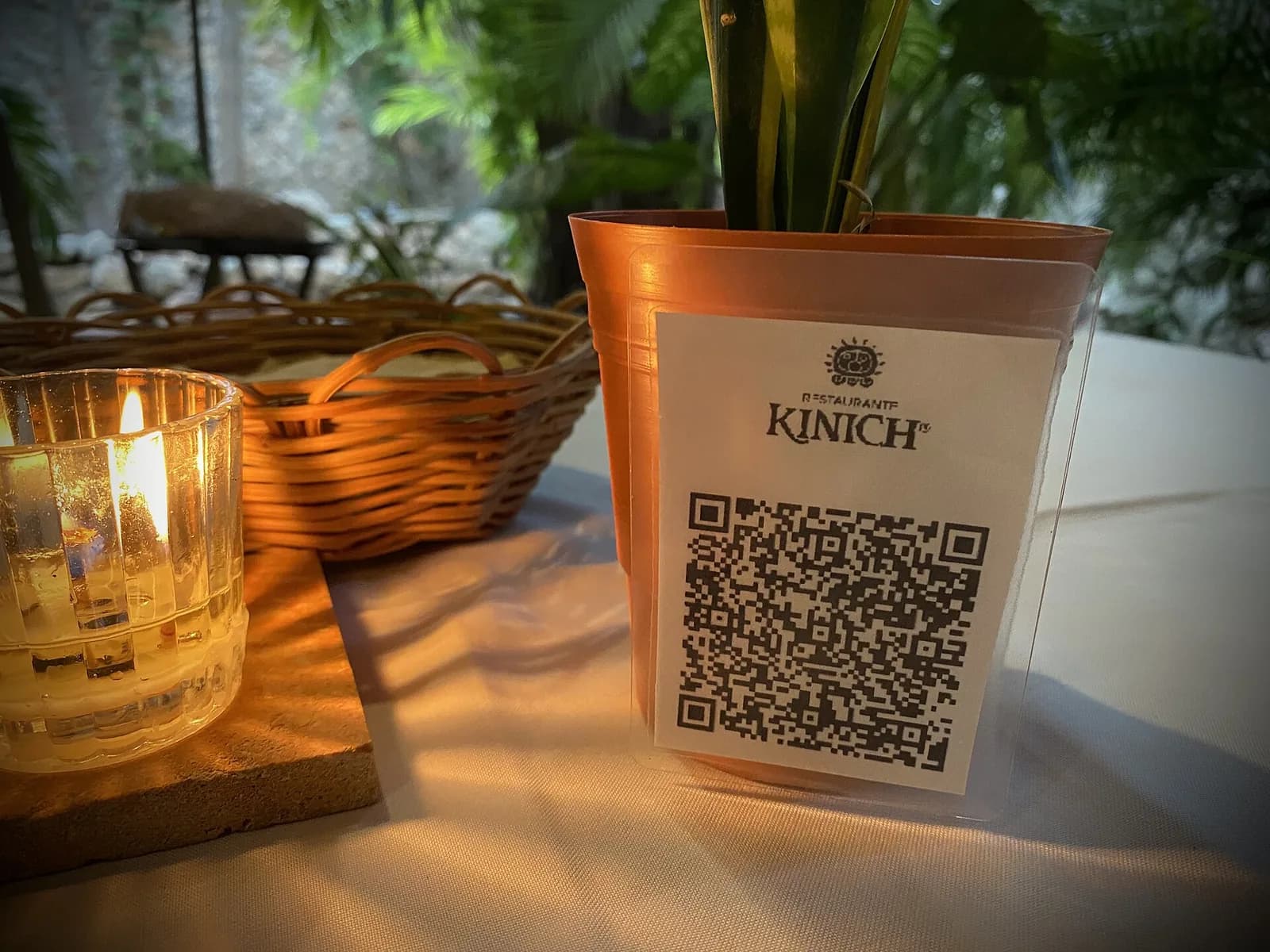
Then the world needed a way to hand over information without touching anything. Within months QR codes were on restaurant tables in place of paper menus, on shop doors for check-ins, at tills for contactless payment, and in contact-tracing apps such as the NHS COVID-19 app in England and Wales.
People who had never scanned a code scanned several a day. Hara himself said he was amazed when cashless payments with the code caught on.
“I never thought it would be used as a form of money.”
What changed Scanning became an everyday habit, not a trick for the tech-savvy.
07 · Live links · prime time · AI art
2021–2024: Codes get clever, and pretty
Businesses that now relied on codes wanted more from them. Dynamic codes put a short link inside, so the destination could change after printing and every scan could be counted.
On 13 February 2022, during Super Bowl LVI, Coinbase ran a one-minute ad that was nothing but a colourful QR code bouncing around a black screen, like an old DVD player’s screensaver. Its landing page took more than 20 million hits in one minute, and the company briefly had to throttle traffic.
In June 2023, AI-generated QR codes painted in anime and ink-brush styles went viral on Reddit. They looked like art, but not all of them scanned reliably on every phone.
“historic and unprecedented”
What changed A QR code became a channel worth measuring, and people started to want one that looked good.
08 · Today · AriaQR
The picture is the code.
More than thirty years after a Go board inspired a factory label, the QR code is everywhere, and most of them still look like a factory label. AriaQR makes the code out of your own picture, so the thing people scan is the thing you wanted them to see.
Picture codes were tried a decade ago, then folded into Alibaba. AriaQR is the version anyone can use: checked before you download it, and live-linked so it keeps working after the print run.
- Your photo, logo or artwork becomes the code itself
- Every code checked on real scanners before you can download it
- Live links you can change after printing
- Scan analytics: when, where and on which phone

In the lab · screens only
What’s next: Codes that move.
The picture is the code. Now the picture can move. This golden retriever in a yellow puffer jacket is a working QR code from the first second of the clip to the last.
It is an experiment we are running for screens, not print. Point your phone at it and see for yourself.
Questions
The short
answers.
More in the QR code encyclopedia, or make a code from your own picture in the generator.
Who invented the QR code?+
Masahiro Hara led the two-person team at Denso, in the barcode business now called Denso Wave, that developed the QR code. Work started in 1992 and the code was announced in 1994.
When was the QR code invented?+
The QR code was announced by Denso Wave in Japan in 1994, after about a year and a half of development. It became an ISO international standard, ISO/IEC 18004, in 2000.
What does QR stand for?+
QR stands for Quick Response. Denso Wave chose the name because the code was designed above all to be read quickly, by factory scanners tracking car parts.
Why did Denso give the QR code away for free?+
Denso Wave holds patents on the QR code but chose not to exercise them for codes that follow the JIS or ISO standard, so anyone can make and read QR codes without a licence. That openness is a large part of why the code spread around the world.
When could phones first scan QR codes?+
The first phone with a QR reader was Sharp’s J-SH09 in Japan, in August 2002. Elsewhere, people needed a separate app until Apple built QR scanning into the iPhone camera with iOS 11 in September 2017; Android phones followed through Google Lens in their camera apps from 2018.
Why did QR codes become popular in 2020?+
Phone cameras could already read them without an app, and during the COVID-19 pandemic businesses and governments used them for contactless menus, check-ins, payments and contact-tracing apps, so almost everyone learned to scan one.
Sources
Where the facts come from
- 1Denso Wave: QR Code development story
- 2The Guardian (11 Dec 2020): QR code inventor relishes its role in tackling Covid
- 3Denso Wave: History of QR Code
- 4Denso Wave: QR Code 25th anniversary
- 5Denso Wave: QR Code patent
- 6IEEE Milestone: QR (Quick Response) Code, 1994
- 7ISO/IEC 18004:2024, QR code bar code symbology specification
- 8Eurotechnology Japan: QR codes on mobile phones started in August 2002
- 9The Times of Israel (30 Nov 2017): Alibaba reported to buy Visualead
- 10Calcalist CTech (29 Nov 2017): Alibaba to buy Israel-based QR startup Visualead
- 11TechCrunch (1 Dec 2017): Alibaba buys Visualead’s tech to establish a Tel Aviv R&D center
- 12Apple Developer: QR Code Recognition on iOS 11
- 13Android Police (8 May 2018): Google Lens is coming to camera apps from Google, Motorola, LG, Sony and more
- 14Yahoo News (14 Feb 2022): QR code Super Bowl commercial causes crash for cryptocurrency app
- 15Ars Technica (6 Jun 2023): Redditor creates working anime QR codes using Stable Diffusion
Picture credits
Photographs
- A game of Go in progress. “Go -- 2021 -- 6757.jpg” by Dietmar Rabich, CC BY-SA 4.0, via Wikimedia Commons. Resized and converted to WebP.
- A Japan Racing Association betting slip with QR codes, 2010. “JRA support betting ticket.jpg” by 西大路今出川 (scan); ticket issued by the Japan Racing Association, Public domain (PD-ineligible), via Wikimedia Commons. Resized and converted to WebP.
- Sharp J-SH07 camera phone for J-Phone, 2001. “SHARP J-SH07 (2001) 1.jpg” by MIKI Yoshihito, CC BY 2.0, via Wikimedia Commons. Resized and converted to WebP.
- QR code billboard in Shibuya, Tokyo, 2009. “Japan-qr-code-billboard.jpg” by Nicolas1981, CC BY-SA 3.0, via Wikimedia Commons. Resized and converted to WebP.
- Scanning a street QR code in Plaça de Catalunya, Barcelona, 2011. “QR a plaça Catalunya -Scanning 02.JPG” by Kippelboy, CC BY-SA 4.0, via Wikimedia Commons. Resized and converted to WebP.
- NHS COVID-19 check-in poster, 2020. “NHS COVID-19 QR code poster.jpg” by Crookesmoor, CC BY-SA 4.0, via Wikimedia Commons. Resized and converted to WebP.
- A QR code menu on a restaurant table, Izamal, Mexico, 2021. “QR code menu, Restautante Kinich, Izamal, Yucatan, Mexico.jpg” by Sharon Hahn Darlin, CC BY 2.0, via Wikimedia Commons. Resized and converted to WebP.
- Go board, prime-time illustration, phone camera panel, standards seals and the Visualead card. Drawn by AriaQR for this page.
- The AriaQR code. Made with AriaQR from the AriaQR mark.
- The moving code. A prototype from the AriaQR lab.
QR Code is a registered trademark of DENSO WAVE INCORPORATED. Other names and marks belong to their owners and are used here only to tell the story.