Will QR codes replace barcodes on everything you buy? Eventually they may take over much of the job, but not soon and not all at once: the plan is for checkouts to learn to read QR codes by the end of 2027, while the familiar UPC and EAN barcodes stay on packs beside them for years.
So the striped barcode is not dying next year. It is getting a partner that can do a lot more.
Why the barcode is getting a partner
The linear barcode has run retail since the 1970s. A UPC or EAN does one thing very well: it tells the checkout which product this is. That simplicity is also its limit.
A retail UPC carries only the product number, known as the GTIN. It cannot say which batch the jar came from, when it expires or which page explains how to recycle it. Brands that wanted any of that added a second code, usually a marketing QR code, which meant two symbols with two different jobs on one pack.
A 2D code can hold much more. That opens up practical benefits:
- Faster, more precise recalls. If the code carries a batch number, a store can stop a specific batch at the checkout, not every jar on the shelf.
- Freshness and expiry. Retailers can track dates without relying on stickers.
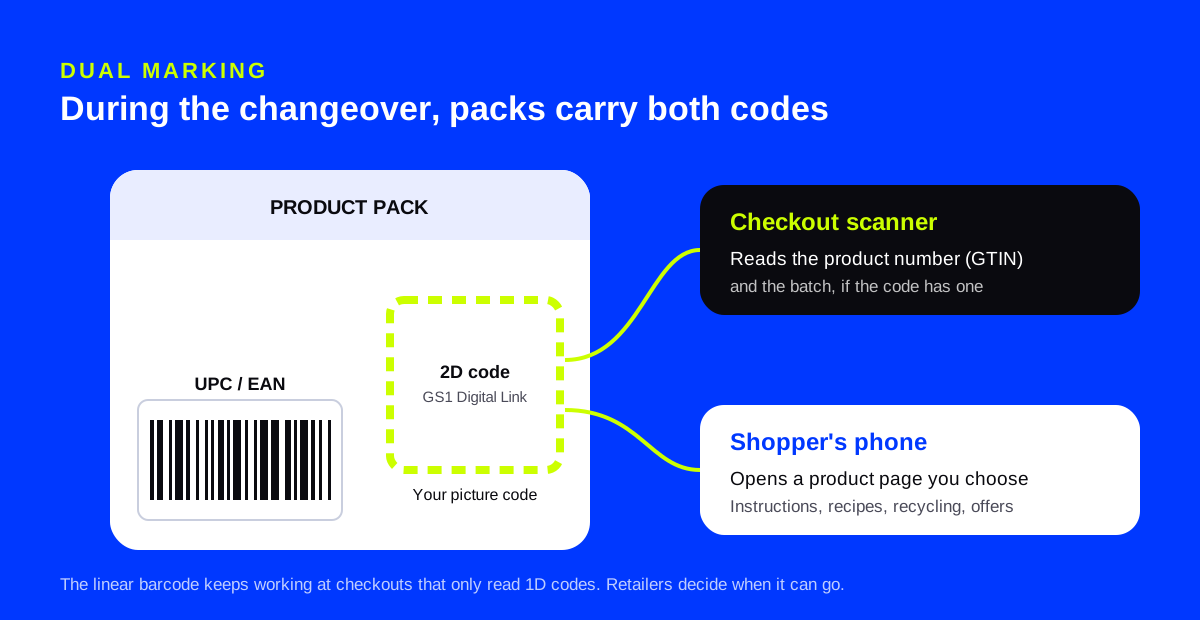
- One code for the checkout and the shopper. The same symbol rings up the item and opens a product page on a phone.
What GS1 Sunrise 2027 actually says
GS1 is the not-for-profit organization behind UPC and EAN numbers. Its US branch leads an industry goal called GS1 Sunrise 2027: for retail checkout scanners in the US to read 2D barcodes by the end of 2027.
The two formats in focus are QR codes carrying a GS1 Digital Link and GS1 DataMatrix. A GS1 Digital Link is an ordinary web address with the product number written into it in a standard way. A 2D-ready checkout reads the GTIN out of the address. A phone simply opens it.
What Sunrise 2027 is not:
- Not a switch-off date. It is about scanners being able to read 2D codes.
- Not a law. It is a voluntary industry goal, although individual retailers may set their own supplier requirements.
- Not global in one go. Timelines vary by country and retailer, so check with your local GS1 member organization and your retailers.
Why UPC and EAN won't vanish overnight
Even with good intentions on every side, the linear barcode has huge advantages that keep it on packs for a while.
- It is everywhere. Countless checkouts, warehouses and handheld scanners read it today. Not every one of them can read a 2D code yet.
- It works across borders. A product sold in many countries has to scan at checkouts that upgrade on different schedules.
- Packaging takes time to change. Brands redesign packs on their own cycles, and a new code needs testing with each retailer.
- There is no fixed end date. Until retailers say otherwise, dropping the linear barcode is a risk most brands will not take.
That is why the expected path is dual marking: the UPC or EAN stays, and a 2D code sits alongside it. Over time, as more checkouts read 2D codes reliably, retailers may let brands rely on the 2D code alone. Nobody has set that date.
What this means for brands
If you sell packaged goods, the practical steps are straightforward.
- Check your GTINs. The product number in a 2D code must be the same GTIN licensed to your brand.
- Ask your retailers. Find out whether they are piloting 2D codes and what they expect on pack.
- Plan for both codes. Leave room on the pack for the UPC and a 2D code side by side.
- Decide where phones go. A product page, recipes, instructions, recycling information or a promotion. Make it editable, because it will change.
- Test printed proofs. Scan them with phones, and test with your retailers before a full print run.
Does the 2D code have to look like a barcode?
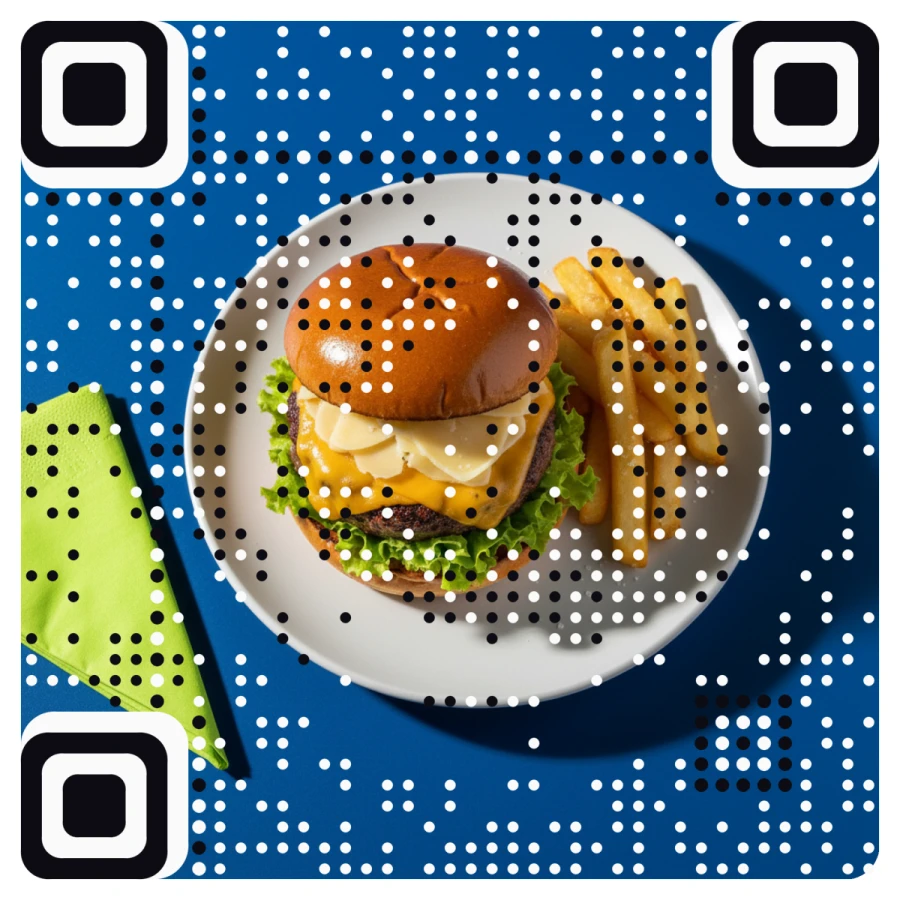
No. Once the QR code moves to the front of the pack, it becomes part of the design, and a plain black square fights with everything around it.
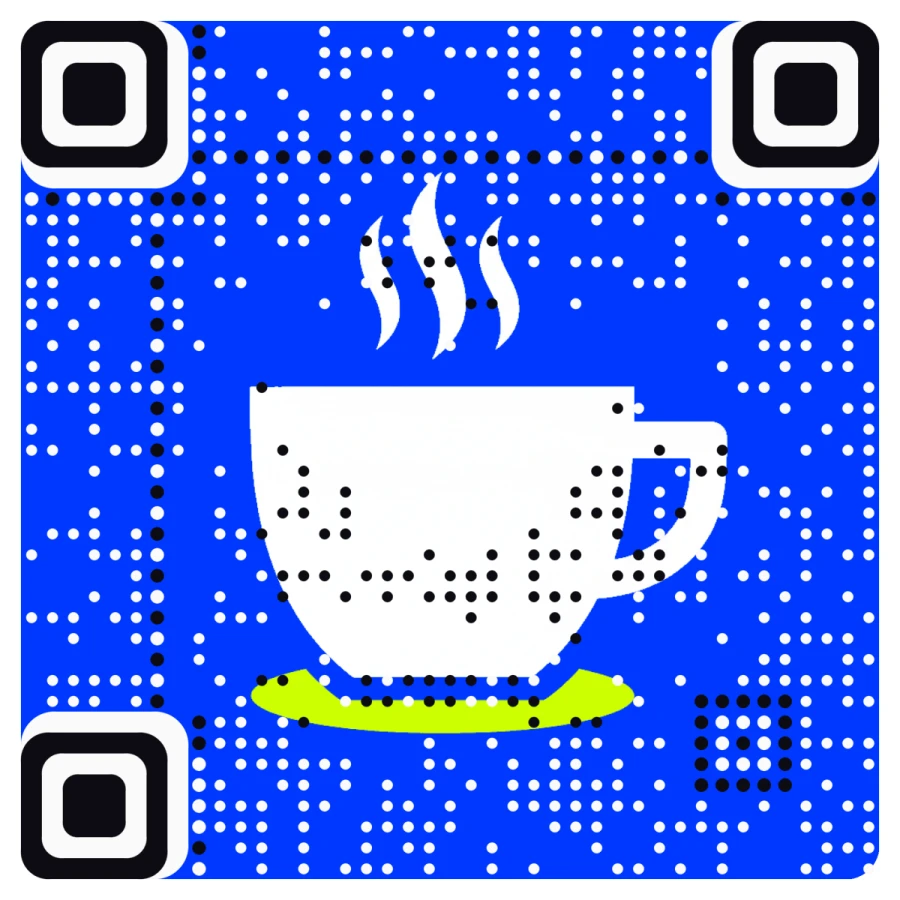
AriaQR builds GS1 Digital Link product codes as artwork: your GTIN is in the code for 2D-ready checkouts, the picture is your product or logo, and phones land on the page you choose. You can add a batch number, and each batch can get its own page, a use-by notice or, if needed, a recall notice. Every code is verified on real decoders under real-world conditions before download. You can start one in the AriaQR generator by choosing the product barcode (GS1) type.
Two honest notes. AriaQR is not affiliated with GS1, and the codes are designed for 2D-ready checkout scanners but have not been tested on every retailer's equipment, so test with your retailer first. And keep the UPC on the pack until your retailers tell you otherwise. Our guide to branded QR codes for packaging covers placement and print.
The bigger picture
The barcode is not being replaced so much as upgraded. In a few years, the most useful code on a pack may be the one that rings up the item, tells the store which batch it is and shows the shopper how to use it. For more on what else is changing, read the future of QR codes.
Where to start
Talk to your retailers and your GS1 member organization about their 2D plans. Then pick one product, make a test 2D code beside the existing UPC and see how both checkout and shoppers respond.