
Is the plain black-and-white QR code on its way out? Not the code itself, but the way it looks and works is changing fast, and the QR code trends to watch this year all point the same way: codes that look like the brand, can be changed after printing and lead somewhere worth the scan.
Here are seven trends worth planning for, with what each one means in practice.
1. Picture and brand codes replace plain squares
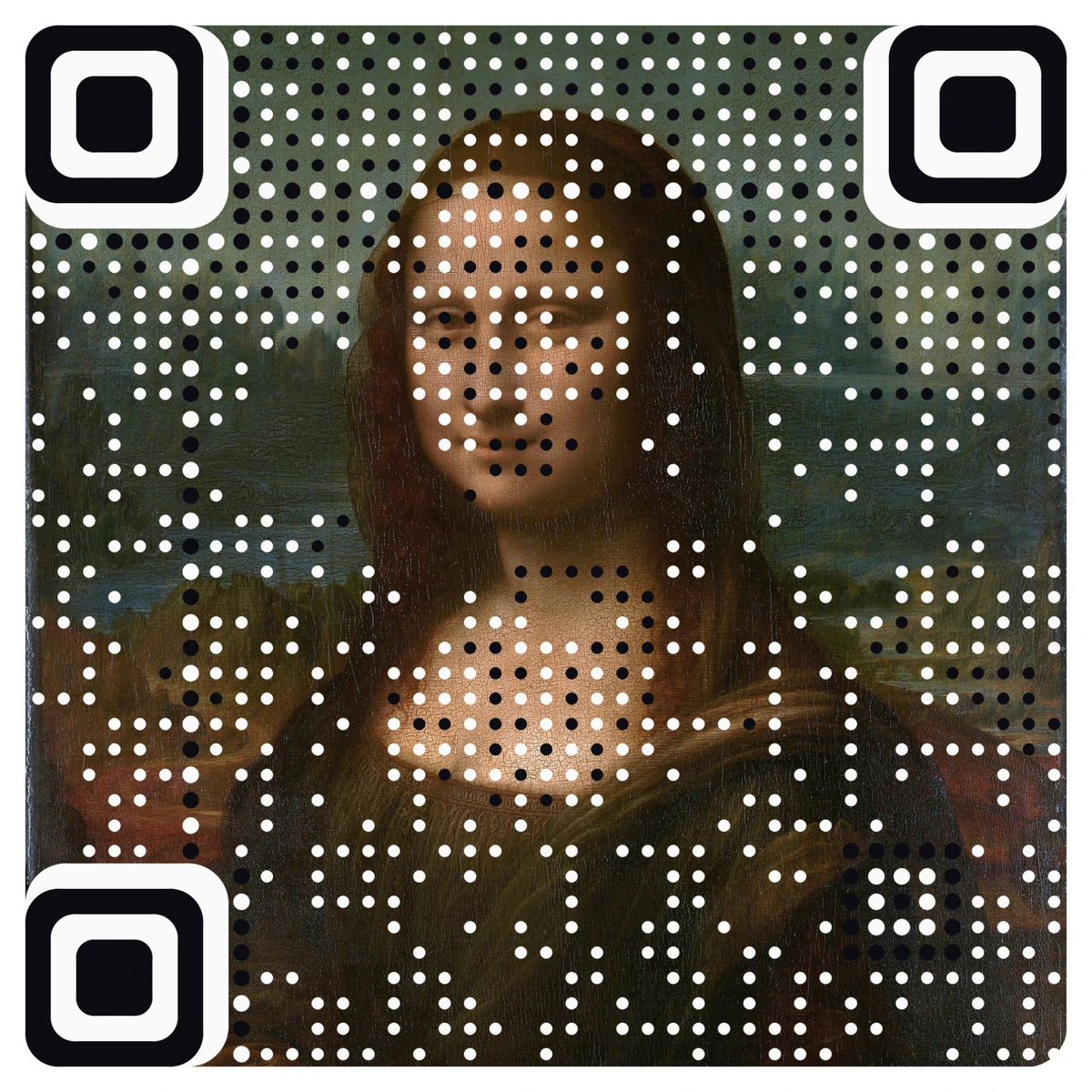
For years, "branded" meant a black grid with a logo pasted in the middle. Now the picture itself can be the code: a product photo, a logo, a portrait or a famous painting, with the code living inside it as a field of dots.
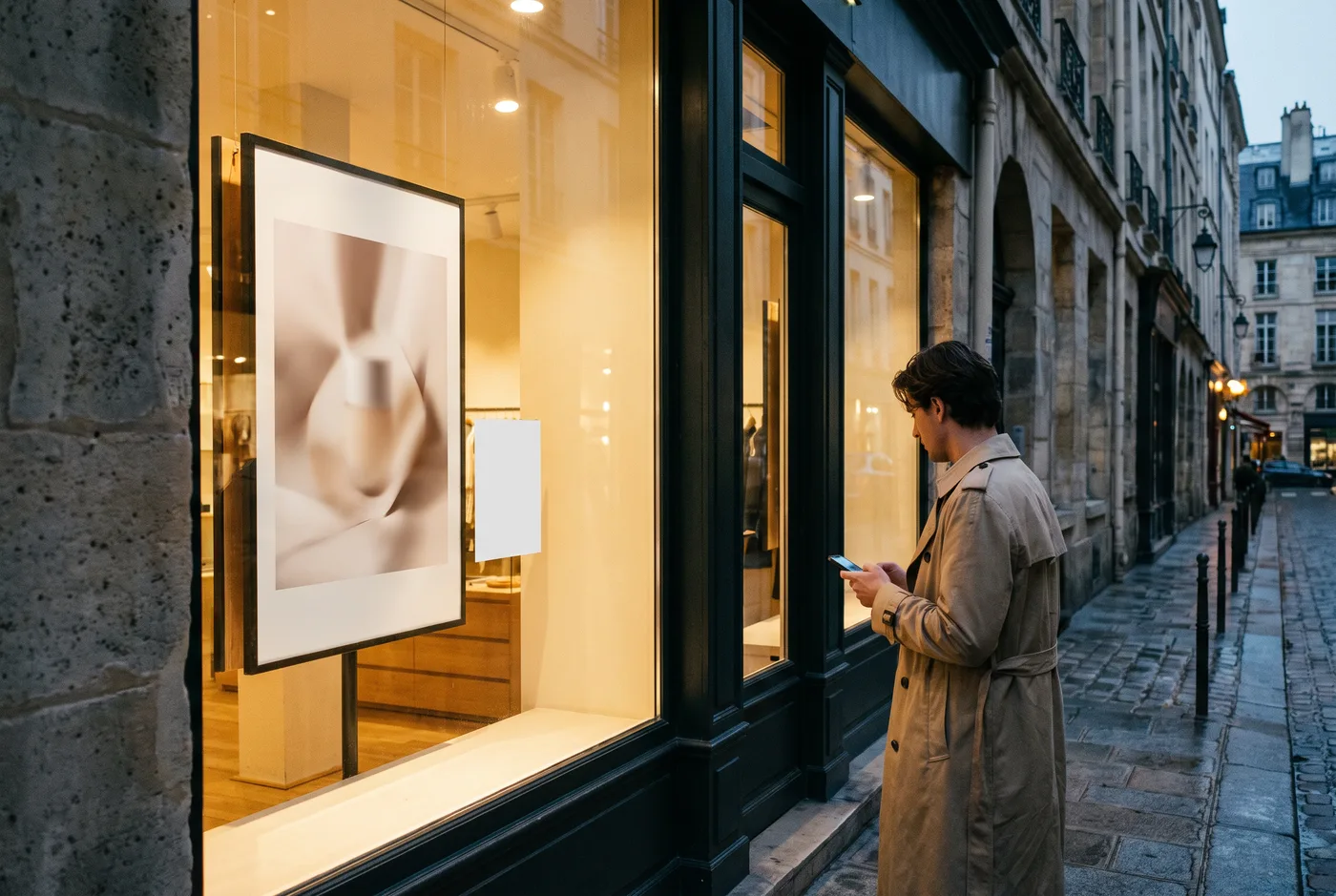
This matters because the code is moving to more visible places, such as the front of the pack, the shop window and the event poster. A plain square fights the design. A picture code becomes part of it.

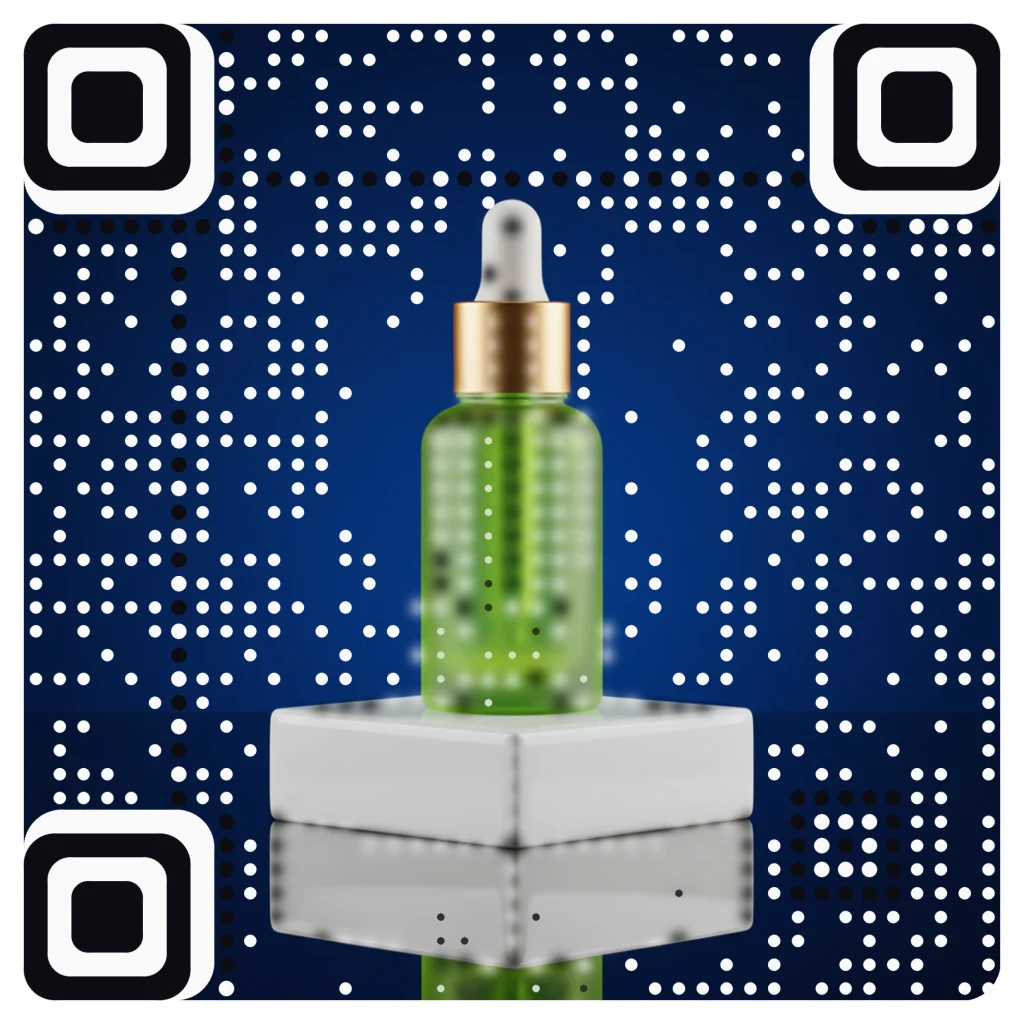
AriaQR makes codes this way, and each one is verified on real decoders under real-world conditions before download. You can browse real examples, from logos to famous paintings, in the AriaQR gallery.
2. Dynamic by default
A static code points to a fixed address forever. If the page moves, the print is wasted. A dynamic code carries a short link that you can redirect any time, so a menu, an offer or a manual can change while the printed code stays the same.
Expect "dynamic" to become the normal choice for anything printed in quantity. Static codes still make sense for things that never change, such as Wi-Fi details or a contact card. Our post on the future of QR codes explains why editable destinations matter even more for products.
3. Codes open landing pages, not homepages
Sending a scan to a full desktop homepage is a detour. The trend is a small mobile page built for the moment: one offer, one form, one booking button, one menu.
Picture a hotel in Lisbon with a code in each room. Instead of the main website, it opens a page with breakfast hours, the spa booking button and the Wi-Fi details. A short page like this loads fast, answers the question and gives the guest one clear next step.
4. Scan analytics become standard
Once a code is dynamic, every scan can be counted. Marketers increasingly expect to see scans per day, the hours people scan, device types and rough locations, and to compare placements: one code per poster, side by side, to see which spot earns its place.
Privacy expectations are rising at the same time. Analytics that count unique visitors without cookies, and locations based only on the network rather than permission prompts, are becoming the respectful default. Our guide to QR code analytics walks through what to measure.
5. Safety and quishing awareness
As codes spread, scammers follow. Quishing, or phishing through a QR code, has drawn wide attention in 2026, from fake stickers on parking meters to codes hidden in phishing emails.
The trends in response:
- People preview links before opening them, and more phones make that easy.
- Brands use domains people can check, including short links with public check pages.
- Destinations are monitored. Dynamic links can be checked for malicious pages and stopped if needed.
- Recognizable codes. A code that clearly matches the brand around it is harder to replace with a generic fake sticker.
6. QR codes reach the retail checkout
For decades, checkouts have read only linear barcodes. GS1 Sunrise 2027 is an industry goal, led by GS1 US, for US retail checkouts to read 2D barcodes by the end of 2027. The key format is a QR code carrying a GS1 Digital Link, which holds the product number for the checkout and a web address for the shopper's phone.
UPC and EAN barcodes are expected to stay on packs alongside 2D codes during the changeover. Brands that start planning now can turn a required code into a designed one.
7. Paying by scanning
In many markets, paying by scanning a code is already part of daily life, and payment apps in Western markets offer QR codes too. For small sellers, a payment code on the counter, a market stall or an invoice is often the simplest way to get paid.
The best practice here is careful: payment codes should be fixed so they cannot quietly be redirected, and customers should always check the payee name before they confirm. Code types for payment apps, such as PayPal or Venmo, make setup quick.
What ties these trends together
Each trend makes the code do more of the work: look like the brand, stay accurate after printing, lead to the right page, prove what it delivered and stay safe to scan. A plain square that opens a homepage does none of that.
Where to start
Pick your most visible code, the one on your window, pack or main poster. Make it dynamic, point it at a page built for that moment, and turn it into a picture of your brand. Then measure it for a month and compare.