
Which QR code myths are still costing businesses scans? Quite a few. Most come from an older era, when phones needed an app to read a code and every code was a black-and-white square, and they still shape what gets printed today.
Here are seven we hear often, and what is actually true.
Why do QR code myths still matter?
Because they decide what gets printed. A team that believes codes must be black and white prints a stark square on an elegant menu. A team that believes a logo breaks codes leaves the brand off the one spot people interact with. Each myth below comes with the plain fact behind it.
Myth 1: "QR codes are dead"
This one has been said for over a decade, and it has been wrong for most of it.
The early slump was real: in the early 2010s, scanning in Europe and America needed a separate app, so few people bothered. That barrier is gone. Since 2017, the iPhone camera has read QR codes on its own, and Android phones followed with Google Lens built in. Then the pandemic taught almost everyone to scan menus, check-ins and payments.
Today codes sit on boarding passes, parcels, packaging, posters, TV ads and restaurant tables. They are not a novelty any more, which is exactly why they work: people know what to do with one.
Myth 2: "QR codes must be black and white"
A QR code needs contrast, not black ink. A phone tells dark from light, so a navy, forest green or burgundy code on a light background scans just as well as black on white.
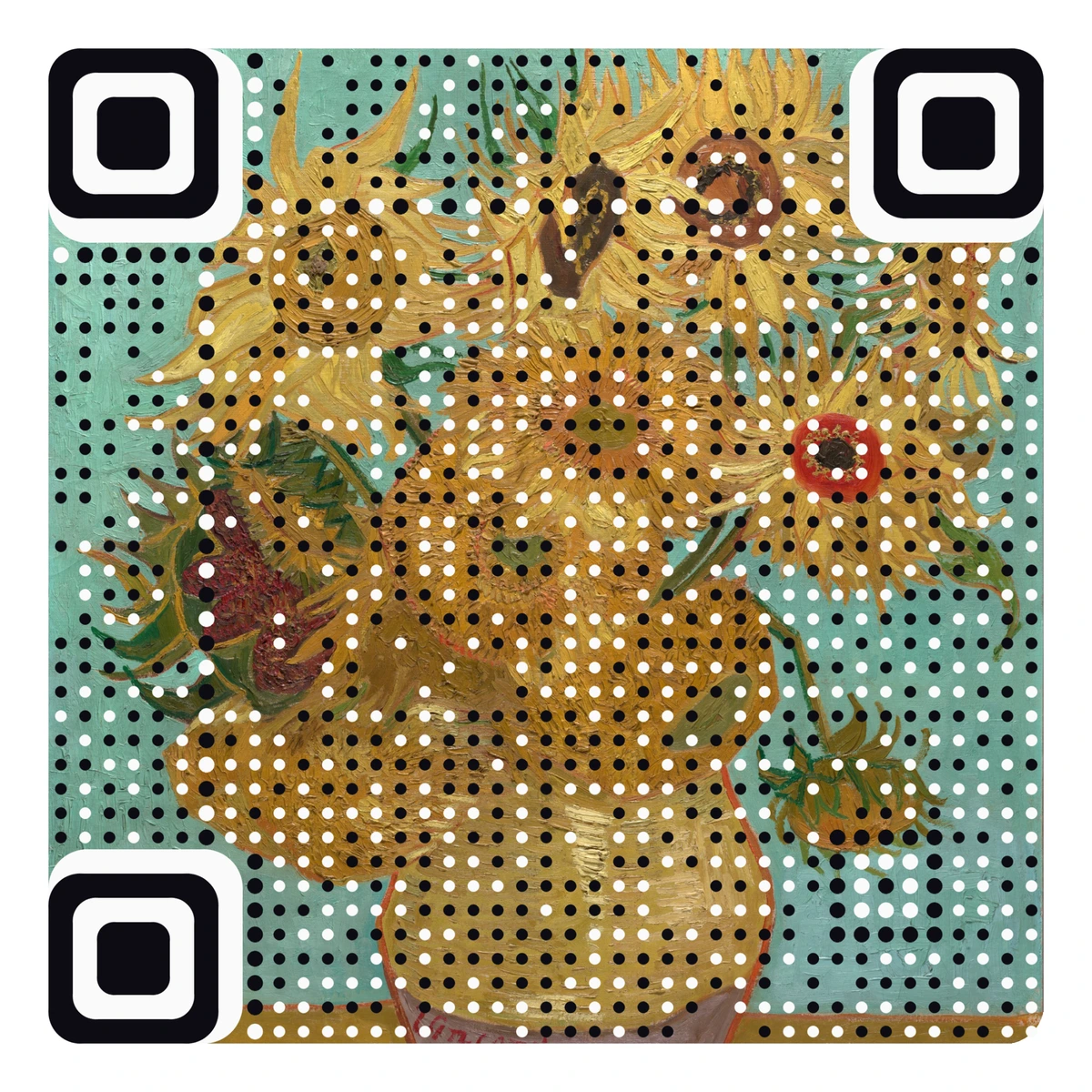
Pale colors are the real risk: light yellow, pastel pink or light gray can fade into the background. Inverted codes, light on dark, read on most current phones but not all, so test them first. A code can even be a full-color picture, like this one:
Our guide on whether a QR code can be any shape or color covers what is safe and what needs testing.
Myth 3: "A logo breaks a QR code"
A logo dropped carelessly on top of a code can break it, especially if it covers a corner square. A logo placed with care, with the corners clear and the code tested, works fine. That is how most branded codes you see are made.
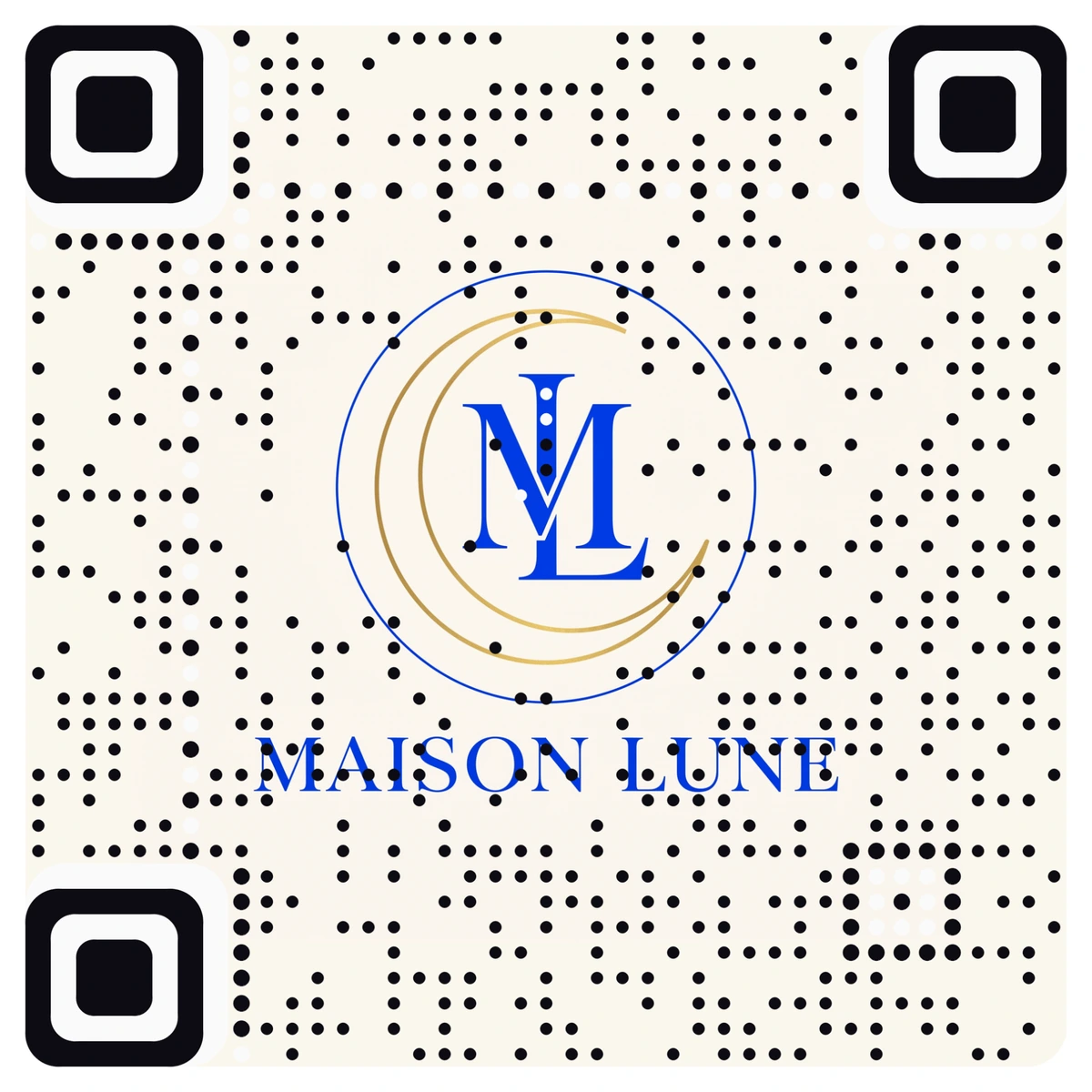
There is also a better option than pasting a logo on top: making the logo part of the code. A QR code with your logo can be built so the brand fills the square and the code lives in it as a field of dots, verified on real decoders under real-world conditions before you download it.
Myth 4: "Dynamic QR codes are a subscription trap"
Some are. A few services make a dynamic code free to start, then switch it off or redirect it when a trial or plan ends, after it is already printed. That is a good reason to read the terms, not a reason to avoid dynamic codes.
Dynamic codes earn their place: you can fix a wrong link after printing and see how many people scanned. Ask before you print what happens to your codes if you stop paying. On AriaQR, a single picture code is paid once and stays yours for life, a printed code on a plan keeps scanning even if the plan ends, and free classic codes renew free each year with one click. More in do QR codes ever expire.
Myth 5: "You need an app to scan a QR code"
Not on any recent phone. Open the camera, point it at the code, and tap the link that appears. iPhones have done this since 2017, and Android phones do it through the camera or Google Lens.
Some people still assume they need an app because that was true years ago. A short line next to your code, such as "Point your camera here for the menu", removes any doubt.

Myth 6: "QR codes all track you"
A static QR code cannot track anything. The link is inside the pattern, and nothing sits between the phone and the page.
A dynamic code passes through a short link first, so it can count scans and record rough details: when the scan happened, the type of device, and an approximate location worked out from the network. It does not get the scanner's name, contacts or accounts. AriaQR counts unique visitors without cookies and estimates location from the network only, with no permission prompts.
For a business, that is useful, honest measurement: which poster worked, which day was busy. For the person scanning, it is about the same as visiting any website.
Myth 7: "Bigger is always better"
A bigger code is easier to scan from far away, but bigger is not always better. A code that swallows half a flyer crowds out the message that makes people want to scan in the first place.
The right size depends on the distance. A code on a business card is read from a hand's length away and can be small. A code on a window or a billboard is read from across a street and needs to be much larger. AriaQR's small print build is verified down to about 1.5 cm, for cards, labels and stickers. Our guide to small print QR codes has the details.
Where to start
Pick the myth that has shaped your own print work, whether it is the plain black square, the logo you left off, or the dynamic code you avoided, and test the alternative on your next run. Keep contrast strong, keep the corners clear, size the code for the distance, and read the terms before you print a dynamic code.