Can a small business afford branded QR codes? Yes, and it is easier than most owners think, because you only need to spend where customers actually look. Use free classic codes for the back-office jobs, pay once for a picture code where your brand is on show, and move to a plan only when you are making codes every month.
Here is how that plays out for one small brand. The business is an illustrative example, not a real customer, but the choices are the same ones most small shops face.
The problem: a premium product with a plain code
Picture a two-person skincare brand working out of a studio in Bristol. Call it the studio. It makes serums and balms in small batches, sells at weekend markets and through its own online shop, and puts a lot of care into its labels.
The owner wants a QR code on every bottle, linking to how-to-use videos and reorder links. She also wants one on the market stall banner, one on a thank-you card in each parcel, and one on the studio's Wi-Fi sign.
Her first attempt is a plain black square from a free generator, pasted on the label. It works. It also looks like a barcode from a warehouse, sitting on a label she spent weeks designing.
Why do branded QR codes matter for a small business?
A small brand lives on how it looks. Customers judge a product in a second, and a cheap-looking detail makes the whole thing feel cheaper.
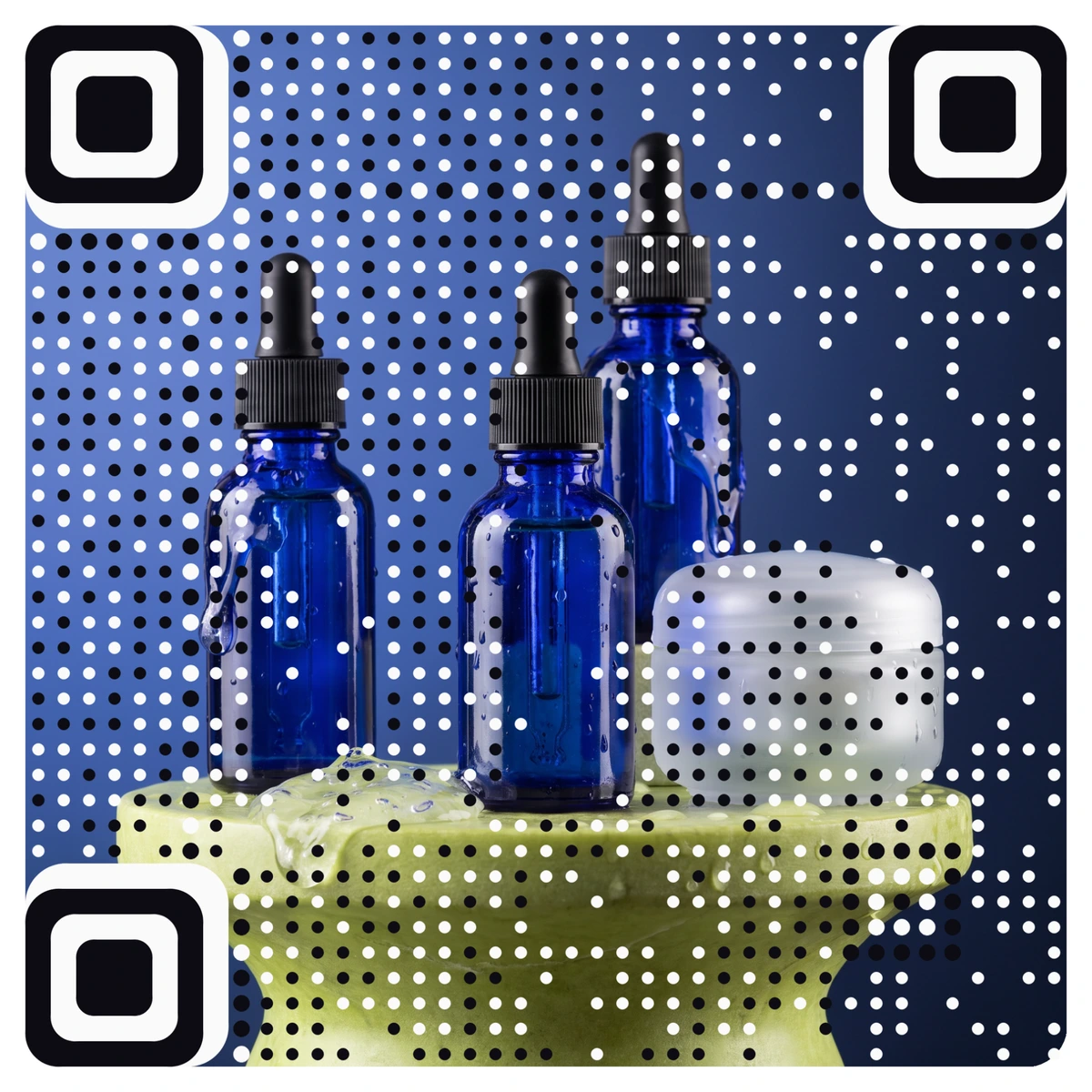
A branded QR code fixes that. Instead of a black square, the code is made from the brand's own logo or product photo. It looks like part of the packaging, not something added at the last minute. And people are more comfortable scanning a code that clearly belongs to the brand they are holding.
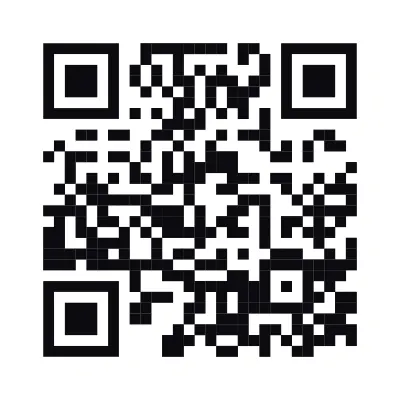
Here is the difference in practice. On the left, a plain code. On the right, a real AriaQR code made from a skincare product photo:
The budget plan: spend where customers look
The owner sorts her four codes by one question: will a customer see this and judge the brand by it?
The Wi-Fi sign: free. Only visitors to the studio see it, and it needs to work, not to impress. A free classic code does the job. Note that Wi-Fi codes are static, with the network details stored in the code itself.
The parcel thank-you card: free, then upgrade later. It opens a review page. A free classic code with an editable link and scan analytics is a good start, and she can see how many customers actually scan it before spending anything. AriaQR's free QR code generator makes these with a free account; each code lives a year and renews free.
The bottle label: pay once. This is where the brand lives. She pays once for a single picture code made from her product photo, in the small print build so it fits on a bottle label. It is dynamic, so she can point it at a new video when the formula changes, and every scan is counted.
The market banner: pay once. A second picture code, this time from her logo, printed large on the banner. It opens a short page with this weekend's market offer.
Two picture codes and two free ones. No plan, no monthly bill, and the codes customers see look like the brand.
When does a plan start to make sense?
Six months later, the studio is selling in three local shops and doing a pop-up every month. Now the owner wants:
- One code per stockist, so she can see which shop drives scans.
- A new landing page for each pop-up, with the offer and a sign-up list.
- Fresh codes for seasonal gift sets.
At that point, paying once per code starts to add up, and placements and landing pages come with the plans. That is the moment to compare a plan against single codes. For the current options, see pricing.
The rule of thumb is simple. A few codes a year: pay once. New codes every month, several spots per campaign, or landing pages: a plan.
Budget tips that keep the big look
- Reuse one artwork. One good logo code can go on the banner, the thank-you card and the website footer. Change the label, not the code.
- Make it dynamic. A code you can edit saves the cost of reprinting labels when a link changes. Our guide on dynamic vs static QR codes explains the trade-off.
- Test before you print a thousand labels. Scan a printed proof on two phones, at real size, on the real material.
- Start free, then measure. Use a free code to see whether people scan at all, then upgrade the spots that earn it.
Every AriaQR picture code is verified on real decoders under real-world conditions before you download it, so a small budget does not mean a gamble on whether the code will scan.
Where to start
List every place you want a code. Mark the ones customers see and judge your brand by. Give those a picture code made from your logo or product, and use free classic codes for the rest. Revisit the plan question when you are making new codes every month.